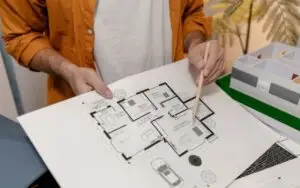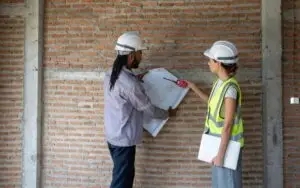
Essentially, on the occasions that you modify your land or home structurally (e.g., build an extension), then obviously you should know the planning laws, which are simply laws that tell you what can/may not be done with a resource/thing (i.e., land). So in the U.K., there are rules, and they’re done by area or by Borough. “So, all that is not far to seek, in these circumstances, there are region-wise ZP regulations and so forth. This blog investigates the distribution of planning permissions between the Richmond, Kingston, and Bromley areas.
What are planning regulations?
Planning rules for your local council dictate which properties can be built in your local area, whether it be an extension or a new house. So there has been too much alerting hand-wringing since the Amazon crats arrived and began hunting for an office site in a densely built neighborhood, which is not only filled with other office buildings but also jammed with residential towers. No buildings anywhere need to worry that they will fall, unsafely threatened by this arrival — not even Central Park! They’re going to fit right in as good citizens of the place they’ll have joined.
That does — from a planning standpoint, you have your own rules in each Borough, even if you are the property right next to any part of that space, even right next door. Look at Richmond, Kingston, and Bromley – they’re almost next door to each other but have their own planning regulations. Now come on, let’s stick a little bit of these different levels of representability in our pockets.
How is that a big deal?
This is where planning laws come in.
They shield the environment from construction that would harm nature and the wild.
They ensure a building is livable, and won’t kill anybody.
They contribute to a sense of place, preserve the character of an area, and maintain the look and feel of a neighborhood.
They police land use to make sure that it’s used in the way that works best for everyone.
And bearing all that in mind, let’s begin to actually examine how differently planning works in Richmond, Kingston, and Bromley.
Planning Regulations in Richmond
This is a city marked by its parks, its historic buildings, and some lovely riverside stretches. The rules in Richmond are tight right now because the council wants this area to continue to look beautiful and historic.
Local: Districts Conservation Areas Richmond Borough Local Plan 2018 (Proposed Submission) Policy LP61 The Council will resist development which does not respect its local context.
Key functions: Conservation Areas (CA). Many parts of the Borough have to be designated as CA’s.
There are a number of conservation areas in the London Borough of Richmond. You know, these are ‘special areas of interest the retention of whose character or appearance would be desirable’. In short, you may need permission if you want to do anything in these areas.
You may be unable, for instance, to put on an extension that changes the character of your home. Green, riversides, etc: There are a few parks and the river in Richmond. Council does a great job of keeping them green. If someone is looking to build near a park or river, the council may say no – especially if it changes the scenery or makes things look out of place.
Heritage Sites:
It has some historic Richmond buildings. If you’re already in — or near one of them, don’t change anything. The council doesn’t want a whole bunch of rot and decay sitting in those buildings.
Design Policies:
These are strict rules, which Richmond has in respect of the design of any new building or extension that they have relating to the character and sense of place within their localities. If you’re adding on to your house, for example, be sure it looks similar to the rest of the house. This type of development will most likely require planning permission in accordance with statute from the Borough of Richmond when proposed on any property in our Borough. Even minor works in Conservation Areas, like changing your windows or adding a fence, need planning permission.
Planning Regulations in Kingston
The alternative hub is Kingston, and that’s a hell of a lot more new than Richmond. It’s a hodgepodge of old and new buildings, but it does have its straitjackets when it comes to planning.
Main Features of the Planning Policy in Kingston
Historic Buildings and Conservation Areas:
Kingston does have historic buildings. If your house is a home that happens to be located near one of these magnificent buildings on the site, which would take away from the classical, then you have to break out that rule book and not go contaminating everything with some modern crap. Kingston’s rules are slightly looser than Richmond’s, so it is a little easier to add or change things on older properties. Green Belt Places…. open spaces and ought to be preserved. You won’t get planning permission if you try to build on green belt land. Urban Development Planning in Kingston is an incremental process. Planning rules are concerned with how new buildings unfold and fill a shape-space.
Examples: New buildings must look like existing/older surrounding buildings. Set the example on environmental matters: Kingston is always leading to cleaner air. The Planned Policy is to construct energy-saving buildings and use green technology. An environmental new building in China.
Getting Permission in Kingston
However, major changes to your property in Kingston, for example, an extension, would require planning permission. If the property weren’t in that green belt surrounding each historic area, then you would have thought it should be relatively easy to obtain permission for minor alterations such as installing even a tiny extension.
Overview: Bromley is the largest of the London Boroughs and is predominantly suburban, although there are some more urban areas. The Planning Acts are different here in Richmond, or for Kingston, but this area, too, tries to bring a bit of safety and order within its environment.
Key Planning Points for Bromley Residential Areas
Residential Area Definition:
As alluded to above, these are areas that have been officially identified as places where residential use is predominant. The council makes sure it looks ok, and so if you are an estate like that, then you must get permission to do something outside of your house, such as build an extension or change the window designs.
Parks and open spaces: Bromley has several parks and nature reserves. The council does want to protect these greens, hence the constraints for those places next to the parks; what can be built more so if it impacts them. Historical Buildings – Bromley has its own historic buildings, too. Beyond that, you may not even get permission to undertake the most minimal transformations in it (if, indeed, you live in a neighborhood — and proximity isn’t an absolute need like directly across the street or around the corner from one).
Recent Development: Bromley is adding new buildings, especially in the town center. If you want planning permission there, there is a need for a planning policy to build a house that “fits in with” – shorthand for “is similar enough to” – the context. Home Extensions Bromley
Planning Permission for Home Extensions in Bromley
Most of the extensions that you want to do on your property in Bromley will not require planning permission. You will need consent if you live near an old building or are in a conservation area.
The small changes – repainting, host changing the windows, for example – you can do without their permission. Still, it is generally worth speaking to your local authority before altering any part of the building.
Research: Everything is unique. So try to discover from your council what is and isn’t allowed.
Check if it needs planning permission
Not all work needs to ask for permission, but it’s usually better to be safe than sorry. If you are unclear about the rules, consider chatting with someone like a planning consultant for them to take you through the permit process and ensure approval of your project.
Conclusion
Richmond, Kingston, and Bromley all have byelaws, but they are much the same as each other, with an even greater focus on keeping the area clean. Richmond is proud of its history, which it maintains in pockets, while their neighbour, Kingston, manages growth with the environment in mind, and Bromley is keen to protect its residential areas to provide for expansion. But, before any work you have carried out on your house can begin, you will need to contact your local council. Prohibiting you from doing anything illegal, so you don’t get into hot water. Know what the rules are in your area so that this project will be a breeze.
Frequently Asked Questions (FAQs)
What are planning regulations?
Planning rules are laws that local councils make to tell you what you can and can’t do on your land. They mean buildings should be safe and suitable for an area, and not damage the environment.
What is planning like in Richmond or Bromley?
Richmond’s maintain-our-historic-character-at-all-costs, Kingston’s balance-of-new-building-with-nature-preservation, and Bromley’s preserve-the-old-but-we-can-accommodate-development have been protected.
Does it require planning permission for small changes?
It all depends on what you are doing. You don’t have to ask the council’s permission for minor changes, such as painting or replacing windows, but you should get in touch with your local council before starting work.
How can I find out what limitations apply to my land?
For details on the planning rules, you will need to speak with your local council or visit their website. Or you can pay a planning consultant to visit your home and explain the rules.
What if I’m unsure about whether consent is required for my project?
If you are in any way unsure, you need to give your local council a quick call – they will be in a position to tell you as to whether any permission would be needed, especially given all the aspects related to noise pollution, etc.