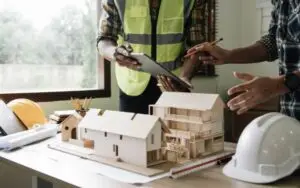
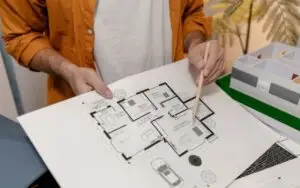
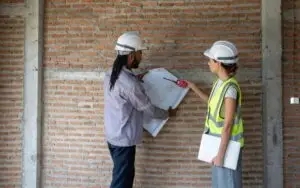
Renovating a commercial property can be a great investment. It can improve the look and function of your building. Whether you’re working on an office space, a retail store, or a restaurant, renovations can increase the value of your property. But to get the best results, it’s important to follow the right steps. In this article, we’ll guide you through the essential steps for a successful commercial property renovation.
1. Set Clear Goals and a Budget
Before you start, think about why you are renovating. Do you want to attract new tenants? Update the design? Or improve the building’s functionality? Knowing your goals will help you plan the project. Once you know your goals, you need to set a budget. This should include everything, like design, construction, and unexpected costs. Be realistic about what you can afford and leave room for extra expenses. This way, you won’t run out of money halfway through the project.
2. Hire a Professional Team
A successful renovation needs a skilled team. You’ll need an architect, contractor, interior designer, and engineers. Make sure you hire professionals with experience in commercial renovations. They will understand your needs and follow the right rules for building projects. The architect will help design the space. The contractor will manage the construction work. The interior designer will help with the decor. Engineers ensure the building is safe and meets all codes. A good team will save you time and avoid problems later.
3. Make a Detailed Plan
Once you have your team, it’s time to make a detailed plan. This plan should cover every part of the renovation. It should include the design, materials, timeline, and any permits you need. A good plan also helps you think about challenges that might come up during the renovation. Being prepared for possible problems will help you handle them better.
4. Get the Necessary Permits and Approvals
Before starting any work, you’ll need to get permits. Most renovations require permits for things like electrical, plumbing, and structural changes. If you skip this step, it can cause delays and even fines. Check with your local authorities to find out what permits you need. This will keep your renovation legal and help you avoid problems later on.
5. Demolition and Site Preparation
Once the permits are in place, the next step is demolition. This involves removing old walls, flooring, and any other structures that need to be replaced. Demolition should be done carefully, especially if the building has materials like asbestos that need special removal. After demolition, prepare the site for the new construction. This means cleaning the space and checking that the foundation is ready for the next steps.
6. Start Renovation and Construction
Now the real work begins. The construction process includes things like installing new plumbing, electrical systems, and HVAC. It also involves building walls, floors, and ceilings. During this phase, it’s important to stick to your plan and stay on schedule. Make sure the contractor is keeping you updated and inform them right away if there are any issues.
7. Focus on Design and Functionality
While the design is important, the function of the space should be the top priority. You want to make sure the space works well for its intended use. Whether it’s an office, a store, or a restaurant, the layout should make the space easy to use. Think about how people will move around the space, what equipment will be needed, and what features will make the building more comfortable. It’s also a good idea to plan for future needs, like extra workstations or more storage.
8. Final Touches and Interior Design
After construction, it’s time for the final touches. This is when you add the interior design. Choose colors, furniture, and decorations that fit your business style and needs. Lighting is also an important part of design. A well-lit space is more welcoming and functional. Be sure to add signs, artwork, and anything else that will help make the space feel complete.
9. Inspect the Work
Before finishing the renovation, carefully inspect everything. Check that all work has been done correctly and safely. Make sure the space meets your needs and is ready for use. You may want to hire a professional to do an inspection. They can make sure everything meets safety codes and is up to standard.
10. Plan for the Move-In or Opening
Once everything is done, it’s time to move in or open your business. You’ll need to set up furniture, equipment, and any necessary systems. If you plan to lease the space to tenants, think about how you will market the property. Make sure the space is ready for use. Test all utilities, check safety features, and ensure everything works smoothly.
Conclusion
A commercial property renovation can be a big project, but with the right steps, it can be very successful. Start by setting clear goals and a realistic budget. Hire the right team and make a detailed plan. Stay involved during the renovation and make sure the work is done correctly. If you follow these steps, your commercial renovation will meet your needs and improve your property’s value.
At HB Planning Services, we are experts in commercial property renovations. Whether you need help with design, construction, or planning, we are here to guide you through the process. Contact us today to get started with your renovation!
Frequently Asked Questions
How long does a commercial property renovation take?
The time it takes depends on the size and complexity of the project. Typically, it can take anywhere from 3 months to over a year.
How much does a commercial property renovation cost?
The cost can vary greatly. A smaller renovation might cost around £20,000, while larger projects can exceed £100,000. It’s important to get quotes from professionals for a more accurate estimate.
Do I need permits for a commercial renovation?
Yes, most commercial renovations require permits, especially for structural changes or electrical work. Be sure to check with your local authorities.
Can I renovate a property while it’s still in use?
It’s possible, but larger renovations may require temporary closures. Smaller updates can often be done without disrupting normal operations.
How can I ensure my renovation is successful?
To ensure a successful renovation, have a clear plan, hire experienced professionals, and stay involved in the process. Regular communication with your team is key.