Home renovations can be fun, but they can also be tough, with choices and decisions. Planning is very important whether you’re remodeling just one room or doing a big overhaul of your whole house. Not being ready can make the process more stressful, expensive, and time-consuming. A quick checklist can help you make sure you’re ready and avoid problems. It will also help you figure out what you need, how much it will cost, and how to talk to professionals.
Define Your Goals Clearly
First, finalize the purpose of your renovation. Why do you need this project, and what are the pros and cons? Is it a good choice and a good addition to your home’s value? Having a well-defined objective can help you make better decisions. List all your priorities on one side, and compare whether each is necessary and within budget. This will help you avoid any unnecessary expenses and bad decisions.
Set a Realistic Budget
Always set a realistic budget for your renovation. First, decide how much money you have to spend and what aspects you want to cover. Include all things, like labor, material, permits an temporary accommodation. A well-defined budget will help you to keep the project on track without any problems.
Research and Plan Your Design
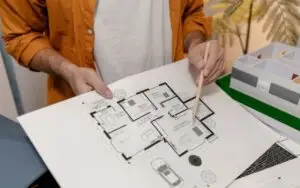
Always research the design you want for your renovation project. This will help you make better decisions and communicate more effectively with contractors and designers. If you don’t have any design in mind, or you haven’t researched any, you will get confused during renovation, and it won’t turn out well.
Hire the Right Professionals
It’s important to hire the right people for the job. Choose skilled and experienced professionals who will get the job done. Look for reviews, references and quotes. Your professional will be an advisor, source of ideas, and do quality work.
Understand Permits and Regulations
There may be permits required for some types of renovations. This is particularly important if making changes to the structure, electrical or plumbing. Familiarise yourself with the regulations and obtain any necessary approvals. This will avoid any hiccups and legal issues.
Create a Project Timeline
A schedule will help you plan and stay on schedule. Talk to your contractor about the timeline and how long each stage will take.
Remember, there may be unexpected delays, so be prepared for those. Having a schedule will help keep the process stress-free and on track.
Prepare Your Home for Renovation
This will allow you to plan and stay on schedule. Discuss this with your contractor and the time each step will take. Be aware that there may be some unexpected hiccups. This will allow you to stay stress-free and on schedule.
Choose Quality Materials
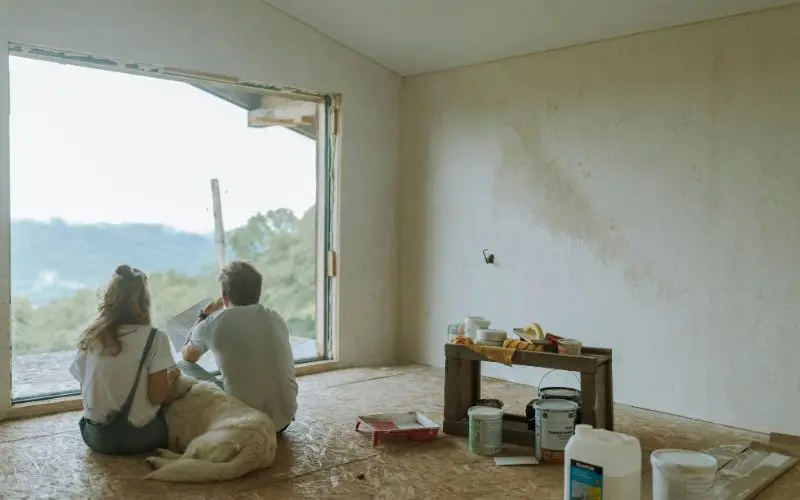
Make sure to prepare your home for renovation. Remove furniture, store valuables and set up the area. For large renovations, including the kitchen and bathroom, prepare alternative arrangements. This will minimize the disruption.
Plan for Unexpected Issues
The quality of the materials will impact the appearance and durability of the project. While it may be tempting to choose lower-cost materials, selecting quality materials will save you money in the long run. Discuss materials with your contractor, and select the materials that will fit your budget, quality and design needs. With an effective budget and plan, you can easily deal with these issues.
Stay Involved and Communicate
Even with careful planning, unexpected issues can arise during renovations. From structural issues to old electrical wiring or supply chain issues. Keep in touch with your contractor. Be around and observe work in progress. Ask questions and provide feedback and express concerns. This will help avoid any misunderstandings and get you what you want
Final Thoughts
Renovating your home can improve your home environment and your well-being, but it must be done right. By following a simple list of tasks of setting your priorities, budgeting, selecting contractors and staying organised, the process can be smoother. This will save you time and money and ensure you’re getting what you want. With proper planning, your home renovation project will be a positive one .
FAQs
What are the first steps to a renovation?
First, determine your goals and then set a budget. This will help inform other decisions.
Should I have additional budget for contingencies?
A good rule of thumb is to have 10-20% of the budget for contingencies.
Do I need permits for reno?
No, but it’s likely needed for structural, plumbing, and electrical work. Check local regulations.
How do I hire a contractor?
Experience, reviews, references, and quotes are all important factors to consider.
What can I do to ease anxiety?
Be prepared, stay organized, keep in touch with your contractor, and expect some variations and setbacks.