If you want to make changes to a listed building in London, you must first get Listed Building Consent. This is permission from your local council to change a building that has historical or special importance. These buildings are protected by law to preserve their beauty and value. In this blog, we’ll show you the top tips for getting this permission and making sure your project goes smoothly.
1. What Is Listed Building Consent?
Before you apply, it’s important to know what Listed Building Consent is. It is permission you need before you can make any changes to a listed building. The law protects these buildings because they are important to history or architecture. If your building is listed, even small changes like replacing windows or adding a door may need permission.
In London, many buildings are listed. They are divided into three grades:
Grade I: Buildings of exceptional importance
Grade II (Grade Two Star): Buildings of high importance
Grade II: Buildings of national importance
Each grade has different rules. The more important the building, the more care you need to take when making changes.
2. Check If Your Building Is Listed
The first step is to check if your building is listed. Many buildings in London are listed, but you might not know for sure. To check, you can search the National Heritage List for England (NHLE). This list shows all listed buildings in England, including their age, grade, and why they are important.If your building is listed, you will need to get Listed Building Consent before you can make any changes. Even if your building is old or historic, it may not be listed, so it’s important to check.
3. Know Why Preserving the Building Is Important
When you apply for Listed Building Consent, the council will want to know that you understand why the building is important. The goal is to make sure any changes you make will not harm the building’s historical or architectural value.Listed buildings often have special details like unique windows, doors, or materials. These things can be hard or impossible to replace. It’s your job to protect these features while still being able to update the building.
4. Hire an Expert
Working with an expert can help you navigate the rules of Listed Building Consent. A conservation architect or a planning consultant knows what changes are likely to be approved and can guide you through the process.Experts can help you create a plan that works within the rules. They can also help you prepare your application and make sure you submit all the right paperwork.
5. Start the Process Early
Getting Listed Building Consent takes time. It can take up to 8 weeks for the council to review your application, but it might take longer if your project is big or complicated. That’s why it’s best to start the process as early as possible.The more time you give yourself, the easier it will be to fix any problems that come up. Starting early gives you enough time to make changes to your plans if needed and ensures you are ready to begin your project.
6. Submit Clear Plans and Documents
When you apply for Listed Building Consent, you need to submit clear and detailed plans. This includes:
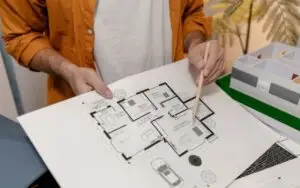
- Drawings of the building and your proposed changes
- Photos of the current building
- A written statement explaining why you want to make the changes and how they will protect the building’s character
The more detail you give, the better. It helps the council understand your plans and makes it easier for them to approve your application.
7. Be Ready to Adjust Your Plans
The council may not approve your plans exactly as you have them. If they think something might harm the building, they could ask you to change it. For example, they might want you to use different materials or change the size of an extension.It’s important to be flexible and ready to make these changes. If you are too strict about your plans, you may not get the consent you need. Working with the council to find a compromise can help you get approval for your project.
8. Work with a Conservation Officer
Every local council has a conservation officer who is an expert in protecting historic buildings. They know the rules and can guide you through the process of applying for Listed Building Consent.Talking to your local conservation officer early on can help you understand what changes are likely to be allowed. They can also suggest ideas to make your project better and more acceptable to the council.Building a good relationship with your conservation officer can make the process easier and increase your chances of success.
9. Think About the Local Area
When the council reviews your application, they will also think about how your changes will affect the local area. They want to make sure that your project fits in with the character of the neighbourhood.For example, if your building is part of a historic street, the council may ask you to ad your plans to make sure your changes don’t disrupt the street’s look. Make sure you consider the area around the building when planning your project.
10. Be Prepared for Delays
The Listed Building Consent process can take time. There may be delays if your project is complex, if the council is busy, or if they need more information from you. It’s important to be patient and flexible.Delays are common in this process, so it’s best to be prepared for them. The more time you give yourself, the easier it will be to handle any problems or delays that come up.
Final Thoughts
Securing Listed Building Consent in London can seem complicated, but it doesn’t have to be difficult. By following these tips, understanding the rules, and working with experts, you can successfully get the permission you need.Remember, the goal is to protect the building’s historical value while allowing for improvements. If you plan carefully, start early, and stay flexible, your project can move forward smoothly. Good luck with your application!
Frequently Asked Questions (FAQs)
What kind of work needs Listed Building Consent?
Most changes to a listed building need Listed Building Consent. This includes:
- Altering windows, doors, or roofs
- Adding extensions or new buildings
- Changing interior features, like walls or staircases
- Removing parts of the building
Even small changes may need permission, so it’s always best to check first.
How long does it take to get Listed Building Consent?
It usually takes about 8 weeks for the council to process your application. But if your project is complicated, it might take longer. Starting early is always a good idea.
Can I make changes to a listed building without permission?
No, you cannot make changes to a listed building without permission. It is against the law and could lead to fines or even having to undo the work you did. Always get permission first.
Can I appeal if my application is rejected?
Yes, if your application is rejected, you can appeal. The Planning Inspectorate will review the decision and decide if it was correct. Be sure to follow the correct steps for an appeal.
Is there a cost to apply for Listed Building Consent?
Yes, there is a fee. The cost depends on the size and type of work you want to do. Check with your local council for the exact fee.