Planning permission is an important step for any building project. Many people feel confused when they hear about planning rules. Many people also feel worried about time. One of the most common questions people ask is How Long Does Planning Permission Take in London.This question is very important. Planning delays can affect builders. They can affect budgets. They can affect when you move into your home. That is why understanding the process early is so helpful. At HB Planning Services, this is one of the most common questions we hear. Homeowners ask it. Landlords ask it. Developers ask it. Everyone wants a clear answer.
What Is Planning Permission
Planning permission is approval from your local council. It allows you to build something new. It also allows you to change an existing building. Without permission, most building work cannot legally start.Planning permission may be needed for house extensions. It may be needed for loft conversions. It may also be needed for new homes, flats, or changing how a building is used.Some small works do not need planning permission. These works fall under permitted development rules. However, in London, many homes still need full planning permission. This is because London has stricter rules.
Why Planning Permission Is Important
Planning permission protects areas and communities. It helps councils control how places look and feel. It also helps protect neighbours from noise, loss of light, or privacy problems.If work starts without permission, the council can take action. You may be forced to stop building. You may even need to undo the work. This can cost time and money. That is why getting permission first is always the safer option.
Why Planning Permission Takes Longer in London
London is very different from other parts of the UK. It is very busy. Space is limited. Buildings are close together. Small changes can affect many people.London also has many conservation areas. These areas protect the look of streets and buildings. There are also many listed buildings. These buildings have special protection. Any change must be checked carefully.Each London borough also has its own planning department. Each one has its own policies. Because of this, How Long Does Planning Permission Take in London is often longer than people expect.
Planning Permission in Surrounding Areas
Areas outside London can sometimes be faster. Places like Greater London, Surrey, Essex, and Hertfordshire may have fewer restrictions. Councils in these areas may also handle fewer applications.However, the same planning laws still apply. The official timelines are the same. Small projects still take around eight weeks. Larger projects still take several months. So while London may be slower, nearby areas are not instant.
Average Planning Permission Time in London
Planning applications have official time limits. These limits are set by law.For small home projects, councils are given eight weeks to make a decision. In real life, this usually becomes eight to ten weeks.For larger projects, councils are given thirteen weeks. In reality, these applications often take three to five months.Very large or complex projects can take six months or longer.
How Long Does Planning Permission Take in London for Extensions
House extensions are very common in London. Many families want more space. Many homes cannot be moved or extended easily.For most extensions, planning permission takes around eight to ten weeks. This is from the date the application is validated. If the design follows the rules, approval is often smooth.Delays usually happen when an extension is too large. They also happen when it blocks light or affects neighbours.
How Long Does Planning Permission Take in London for Loft Conversions
Loft conversions are also very popular. Some lofts do not need planning permission. These fall under permitted development rules.However, many London homes still need permission. This is common in flats, conservation areas, and listed buildings.When permission is needed, the timeline is usually the same as extensions. Most loft conversions take around eight weeks. Some take a little longer.
Planning Permission for Flats and Large Developments
Larger developments take much more time. These projects include new homes, blocks of flats, and commercial buildings.These applications are complex. Councils check many details. They often ask for reports and design statements. They may also involve planning committees.Because of this, planning permission for large developments often takes three to five months. Some projects can take six months or more.
The Planning Permission Process Step by Step
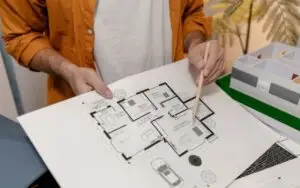
The planning process starts before submission. First, drawings and documents must be prepared. This stage can take two to four weeks. Good drawings are very important. Poor drawings cause delays later.Once ready, the application is submitted online. The planning fee is paid. The council then checks the documents. This stage is called validation. It usually takes one to two weeks.After validation, neighbours are informed. This is called the consultation period. It usually lasts three to four weeks. Neighbours can send comments to the council.After this, a planning officer reviews the application. They check policies, design, and neighbour impact. They may ask for changes. Finally, a decision is issued.
Common Reasons for Planning Delays
Delays are very common in London. One major reason is neighbour objections. Neighbours may worry about noise, privacy, or loss of light. The council must review all comments carefully.Another common reason is missing or unclear documents. Conservation areas and listed buildings also add extra checks. Council workload is another issue. Many London councils receive thousands of applications each year.
Can Planning Permission Be Made Faster
Planning permission cannot be rushed. Councils must follow the law. However, delays can be reduced.Good preparation helps the most. Clear drawings and full documents save time. Speaking to neighbours before applying can also help. It reduces objections.Getting professional advice early often saves weeks or even months.
What Happens After Planning Permission Is Approved
Approval does not always mean work can start straight away. Many approvals include conditions. These conditions must be agreed by the council first.This extra step can take a few weeks. Building regulations approval is also needed for most projects. This is a separate process.
What If Planning Permission Is Refused
Refusal can feel upsetting. But it is not the end. You can submit a new application with changes. This is often quicker than appealing.Appeals are possible. However, they usually take six to nine months. They can also be stressful and uncertain.
Why Choose HB Planning Services
HB Planning Services understands London planning rules. We work with councils every day. We know what they look for.We prepare strong applications. We reduce delays. We guide clients through every step. Most importantly, we explain everything in clear and simple words.
Final Conclusion
So, How Long Does Planning Permission Take in London? For small projects, expect around eight to ten weeks. For larger projects, expect three to five months or more. London planning can feel slow and complex. But good preparation makes a big difference. Clear advice and expert support help avoid delays and problems. Understanding the process early is the best way to move forward with confidence.
Frequently Asked Questions
How long does planning permission take in London for a house extension?
Most house extensions take around eight to ten weeks after submission.
Is planning permission slower in London than other areas?
Yes. London usually takes longer because rules are stricter and councils are busier.
Can neighbours stop my planning application?
Neighbours can object, but the final decision is made by the council.
Do all loft conversions need planning permission?
No. Some lofts fall under permitted development, but many London homes still need approval.
What is the fastest type of planning application?
Simple householder applications are usually the quickest.