Increasingly, homeowners are interested in “going green” with their homes. Sustainability is no longer the trend, and when it comes to planning an extension, it’s not just the thing to do. It’s a great solution for controlling energy consumption, saving money on energy bills, and boosting comfort in your home.The goal of a sustainable home extension is to design and build an efficient extension that is responsible in its material selection and performs well over time. When you are considering an addition to your home – such as a larger kitchen, an additional bedroom, or a home office – careful planning can minimise the environmental impact while still adding to your property’s value.
Start with Smart Design
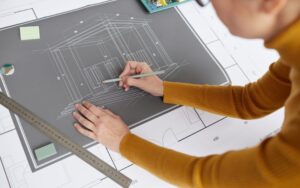
Good design is the basis for sustainable extension.The extension is well designed, utilising space and natural resources optimally. With careful planning, it is possible to increase ventilation flow, expand daylight areas, and reduce the need for additional lighting during the day.Proper window sizing and placement can help improve the home’s energy efficiency year-round and allow more sunlight into the home.
Maximise Natural Light
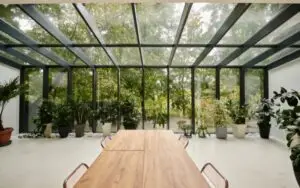
Natural Light is one of the factors of sustainable living.An oversized window, rooflight, and glazed door can provide more daylight, reducing the use of electric light. Light interiors will also enhance interior appeal and comfort.It is important to look at the sun’s path on the site throughout the day when planning an extension. This helps promote open spaces that are highly energy-efficient.
Choose Energy-Efficient Materials
The use of building materials is a very influential aspect of sustainability.These days, many homeowners are opting for materials with high insulation values and durability. An insulated house will be warmer in the winter and cooler in the summer.Energy-efficient windows and doors can also help to decrease heat loss and enhance comfort.Being made of durable materials will mean there will be less need for future replacement or repair, which will help towards sustainability.
Improve Insulation
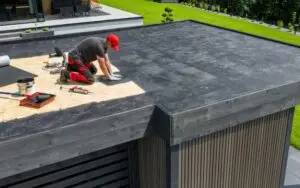
Insulation is one of the most important measures to reduce energy use.Insulation to modern standards should be used for all walls, roofs and floors. Insulation will reduce heating requirements, helping keep the room warm in winter and cool in summer.A well-insulated extension will bring year-round energy efficiency and comfort. That will translate into reduced power expenses and lower environmental impact.
Consider Sustainable Heating Solutions
Also, when extending a property, it is advisable to have the heating system checked. New technology can make better use of heaters than older technologies. Energy-efficient technologies such as underfloor heating, energy-efficient boilers and renewable technologies could help to enhance performance and energy efficiency. This will be contingent on the property’s size, budget, and long-term plans. Residential property owners can seek assistance from professionals and choose options that are functional and cost-efficient.
Use Water Wisely
Energy isn’t the only aspect of sustainability. Water-conserving features can help, too. Low-flow taps, water-efficient toilets, and water-harvesting systems can reduce water consumption without compromising comfort. The additions are becoming more prevalent in new developments. Long-term benefits to the environment and economy can be achieved with small changes.
Plan for Long-Term Use
The goal with an extension is to have it last for many years. Flexible layouts can offer ‘future proofing’ for spaces in the event of changes throughout a family’s life. The room can also be a bedroom or study in the future, when it is used as a home office. Considering the life of an object in its design will reduce the amount of future changes and additional construction. This will not only help promote sustainability but also increase the property’s value.
Why Professional Planning Matters
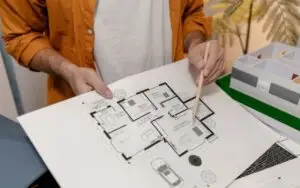
Plans and designs can be developed with the assistance of Hb Planning Services to optimise the home to run as efficiently as possible, maximise available space, and meet any current building requirements. Professional advice will help achieve sustainability goals while maintaining the space’s aesthetics and comfort. Planning can be considered carefully and effectively to achieve long-term outcomes.
Final Thoughts
The perfect blend of smart design, energy efficiency, and practical living, sustainable home extensions are the solution. Homeowners can design their homes in an eco-friendly, comfortable manner by considering features such as natural lighting, insulation, energy-efficient materials, and durability.The use of HB Planning Services will allow an extension that is both designed to serve today’s requirements and has minimal impact on the environment. Such an extension cannot only help the environment but also benefit the property owner and generations to come.
FAQs
What do you think are the factors that make a home extension sustainable?
It is designed, built and made of materials that utilise energy-efficient methods.
Why is it important to have insulation?
Helps to reduce heat loss and energy consumption.
Is there a potential for natural light to have a positive impact on sustainability?
Yes, it will decrease the amount of artificial light needed in the day.
Are sustainable extensions a value add to a property?
Many customers prefer energy-efficient and eco-friendly options.
Why are professional planning services beneficial?
They help to create effective, efficient and compliant extension designs.